Table Of Content
- Intercom’s product principles: Shaping the solution to maximize customer value
- Use tools to enhance insights
- How CX design is distinct from service design and UX design
- AI and Human Interaction: Applying Behavioral Science to CX Tech
- A new age of UX: Evolving your design approach for AI products
- Create customer personas
- Key takeaways
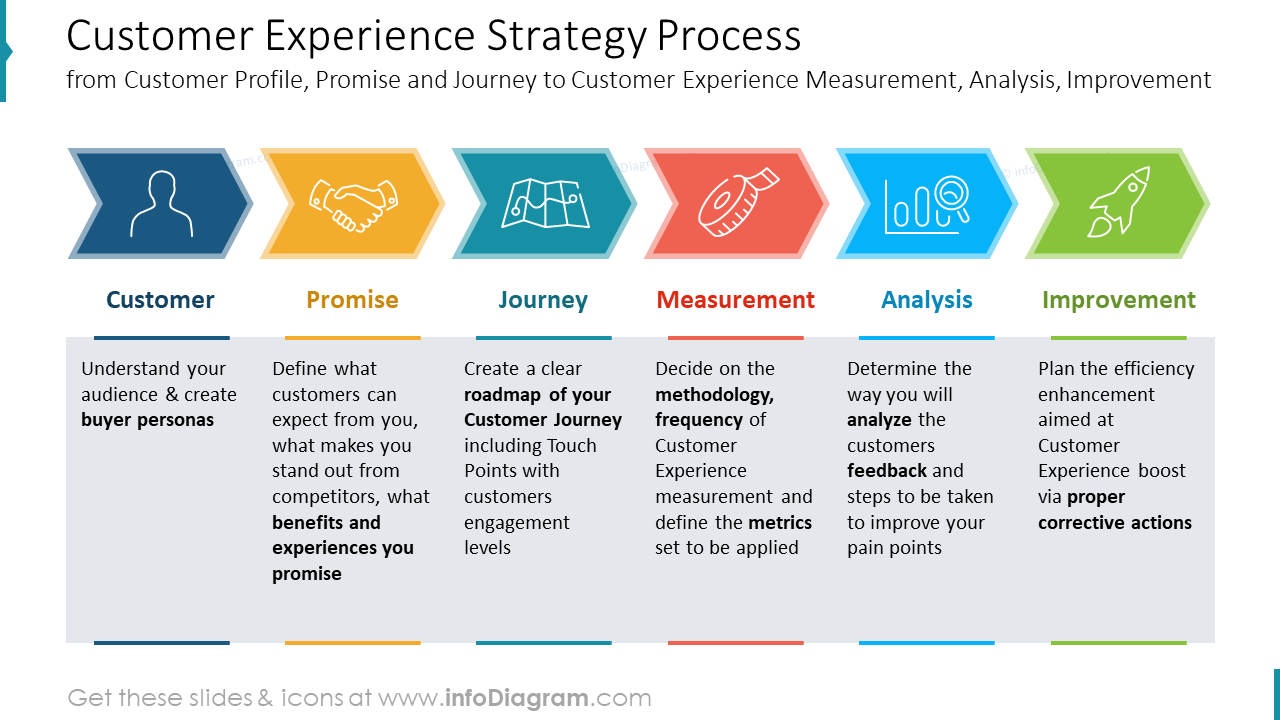
We view customer experience as a holistic ecosystem that accounts for the interconnectedness and context of people’s lives – their influences, interactions and relationships. A systems thinking approach to what matters most and where to take action, deepens personal engagement at the customer level while driving key outcomes at the company level. Translate the workshop's conceptual ideas into prototypes for user testing. This iterative design and feedback process helps refine the solutions into actionable improvements to the customer journey. Focus on specific customer personas and how they interact with your service. If you cover multiple personas or scenarios, plan how to manage this complexity.
Intercom’s product principles: Shaping the solution to maximize customer value
For example, customers can purchase online and easily return products at physical outlets, automatically triggering refunds. You’ll find that a user experience designer typically focuses on a customer’s interactions with a product, and a customer experience designer focuses on the user experience with the entire brand. Journey mapping equips us with the insights needed to refine the user experience and create first encounters with your product, both positive and memorable. Since 94% of first impressions relate to a website's design, it’s critical to make an excellent first impression through a well-mapped user journey. A solid understanding of journey mapping principles can transform a confusing or mediocre user experience into one that’s engaging and seamless. Teams can further establish the overall link to value across the customer journey through rapid user experience (UX) prototyping of specific touchpoints.
Use tools to enhance insights
Event-based confirmations on orders, appointments, or renewals eliminate the need to send individual notifications. For example, booking a vacation rental may involve toggling across listings, room details, guest details, pricing, and policies across tabs. Such complex UX demanding a high customer cognitive load increases anxiety and dropout likelihood. In this case, CX improvement should simplify flows and reduce the steps required for a customer to complete their booking. With hundreds of customer inputs, CX teams need to be selective in where to focus on their limited resources—plot feedback on a 2x2 matrix with consolidation on one axis and impact on another. Initiatives may differ in input effort versus customer delight payoff.
How CX design is distinct from service design and UX design
For more information, check out our article on the best customer retention strategies. The 2020 pandemic brought about a lot of changes and shifts in customer behaviors. For example, social distancing measures and lockdowns shifted the preferences of consumers towards online shopping, and that in turn accelerated digital transformation to help companies connect better with their customers. We’re past the pandemic but the status quo has been altered greatly.
Collect customer feedback from existing customers to improve customer experience
Developing a quality framework to work within, based on your design principles, helps to ensure that your customers’ experiences are uniform. It’s important that your customer experience be consistent, whether your customers are interacting with you on social media, on your website, or on the telephone to your customer support team. Consistency helps to drive repeat engagement, as customers know what to expect. As for pain points, above all else, measuring the results of your CX design is vital for understanding where these are. When you create customer journey maps that accurately pinpoint where customers might be leaving your platforms, you can narrow down the gaps where customers might be losing interest or encountering friction. Customer experience design is the process of creating an integrated and engaging customer journey, taking into account how the customer might view every interaction they have with a brand.
This is a great way to not only retain customers but also build brand advocates who will refer you to others. Make sure the process of creating an account and checking out isn’t clunky or time-consuming. You should also send the customer follow-up communication after the purchase to keep them updated on their order status. Whether a customer is purchasing a product from you online or in-store, the process must be seamless from start to finish.
A new age of UX: Evolving your design approach for AI products
It’s about putting yourself in your customer’s shoes to create experiences that will fulfill needs and make your customers happy. Without good customer experience design, you may as well give up before you even start. No customer wants to experience a clumpy product or service that feels like it’s being held together with chewing gum. A company-wide commitment to CX ensures that all teams are on the same page. From product development to sales, each team member understands their role in delivering quality experiences, ensuring a unified approach to customer satisfaction.
Create customer personas
According to a Deloitte viewpoint, it includes setting up governance structures, defining roles and responsibilities, and ensuring the entire organization is aligned and prepared to deliver on the CX promise. An exceptional customer experience can foster an environment conducive to upselling or cross-selling. When customers feel valued and understood, they are more open to recommendations, which can lead to additional sales opportunities.
Key takeaways
Few people would contest that design thinking on its own can spur lasting business value; yet an integrated approach to CX that combines traditional practices with user-centered design processes is largely overlooked. Marrying elements of both can bring tremendous value—and is, in fact, imperative to meeting customers’ needs today. Not to be confused with user experience design (UX design), CX design focuses on broad customer interactions. It takes into account all the ways a customer engages with a business, including websites, mobile apps, email, social media, call centers, the sales process, and advertising and marketing. A customer experience design strategy ensures that your customers have the greatest possible experience when buying a product or service, engaging with contact center agents and more.
A well-designed customer experience helps brands develop meaningful relationships with buyers, secure repeat purchases, maintain a positive reputation, and improve internal processes. CX design covers all interactions a lead has with a brand, while UX design is just one part of the overall CX design. UX focuses purely on a buyer’s interaction with a product or service. Notably, this is generally after a lead becomes a paying client and purchases a product or service.
It’s the result of every interaction they have, from seeing your latest TV ad to contacting your customer support team to stepping into one of your stores. In the vast landscape of the digital era, ensuring consumers a positive customer experience is no longer just an option—it’s imperative. These maps visually represent each persona’s stages or phases, highlighting the various user touchpoints they encounter with your brand or product.
Traditional CX prototyping takes the journey map and redesigns it, fixing pain points and streamlining the process. Design-empowered CX teams explore many alternative and innovative solutions that lead to sweeping rather than incremental improvements. In a world where consumer expectations are boundless and in flux, the stakes are high for delivering an exceptional customer experience (CX).


No comments:
Post a Comment